
Skip to content
Dental Salon

Cosmetic

Bioclear

Bioclear is a technique that rebuilds and reshapes teeth with heated composite resin injected into curved matrices wrapped around the tooth, closing gaps and repairing chipped or worn edges without removing healthy enamel.
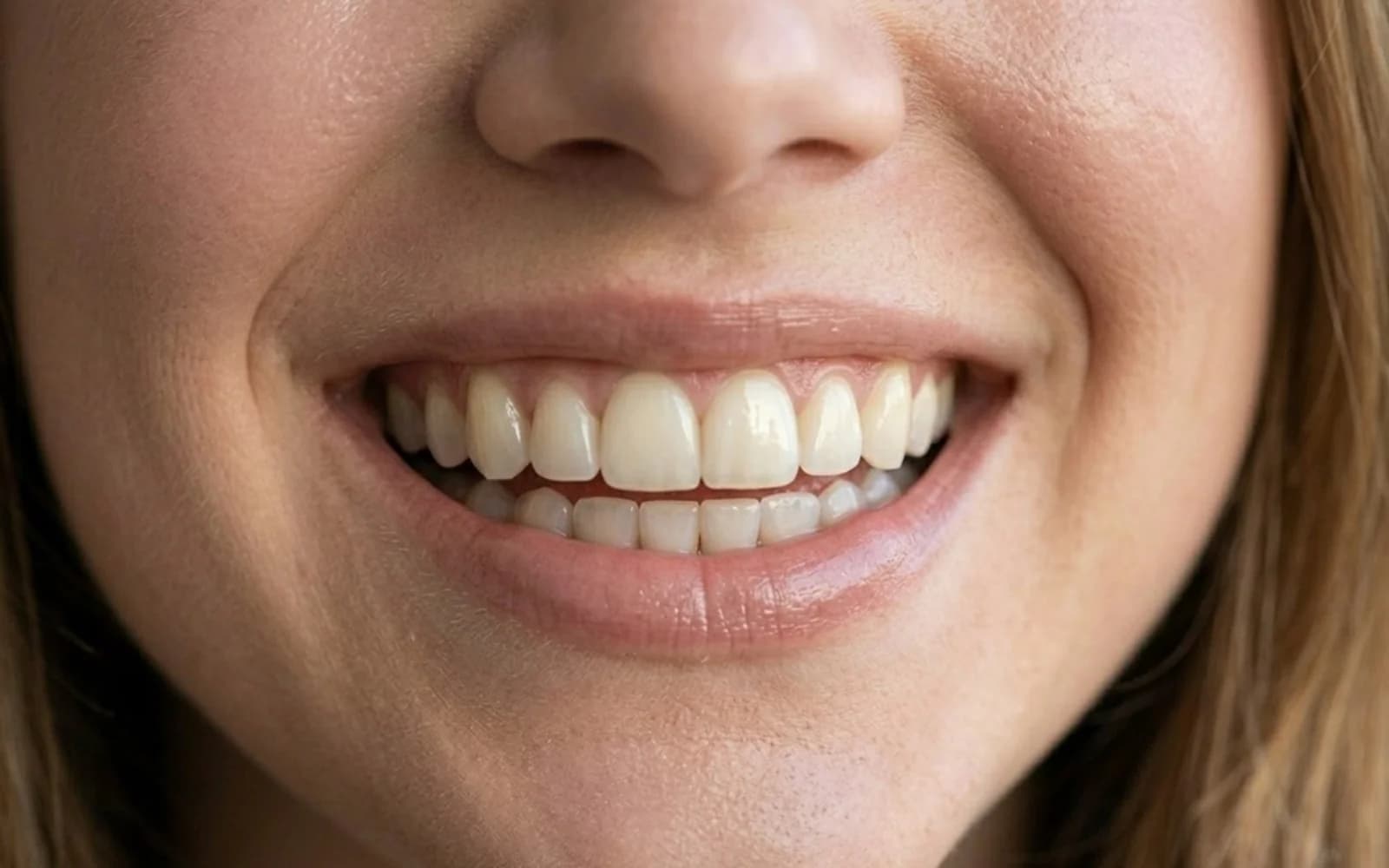
Close-up of a natural, even smile with healthy front teeth, representative of Bioclear results.

Where Bioclear beats veneers, and where it does not

Black triangles and chipped front edges

Bioclear exists for a particular set of problems that porcelain solves clumsily. The clearest is the black triangle, the dark gap that opens near the gum line between two front teeth after orthodontics or as the gums recede with age. Closing one with a veneer means preparing two otherwise healthy teeth, while Bioclear closes it by adding material rather than taking any away. Chipped front edges, small gaps, and teeth that are narrow or worn short are the other cases it suits.

How it differs from ordinary bonding

It uses composite, like bonding, but it is not the same procedure. Ordinary bonding is shaped by hand against the tooth, which leaves a margin where composite meets enamel that can stain and collect plaque over the years. Bioclear injects heated composite into a matrix wrapped around the tooth, producing a rounded, polished shape at the gum line and a join that is harder to see. It takes longer in the chair for that reason, and it costs more than bonding.

Cost, lifespan, and who does it here

Composite is not porcelain, and the trade-off is a real one rather than a talking point. Bioclear costs less than veneers, removes no enamel, and is often finished in a single visit, but it will not hold its polish as long: expect roughly five to seven years against ten to fifteen for porcelain, though it can be repaired in place rather than replaced. Dr. Rashi Arora is Bioclear certified and treats these cases at both offices. We will show you photographs of comparable cases at the consultation, and where porcelain genuinely suits your case better, we will say so.

Photos say more than descriptions here. Our smile gallery has before-and-after cases from our own patients, treated by our own dentists.

Who it's a good fit for

  • You're considering Bioclear for small gaps or black triangles between front teeth
  • You chipped a front tooth and want a conservative fix in one visit
  • Your front teeth look worn or shorter at the edges from grinding or age
  • You want a cosmetic upgrade but prefer to keep your natural enamel
  • You need a faster or lower-cost option than porcelain veneers

What to expect

  1. Free consult: photos and an honest comparison of Bioclear, veneers, and bonding
  2. Single visit: matrix placement, heated composite, shaping, and polish
  3. Most cases: no enamel removed, so the work is conservative and reversible
  4. Follow-up: comfort check 1–2 weeks later if your bite needs a small tweak
  5. Home care: normal brushing and flossing; most restorations last 7–10 years

Common questions

How is Bioclear different from regular bonding?
Both use composite resin, but Bioclear uses heated, flowable composite injected through custom anatomical matrices that shape the tooth from all sides at once. The result is denser, stronger, and more polished than traditional layered bonding, and it lasts longer.
How long does Bioclear last?
Most Bioclear restorations last 7–10 years with normal care. Because no enamel is removed, they can be refreshed, repaired, or replaced without ever having committed to porcelain.
Bioclear or veneers: which is right for me?
If your goal is a small change (closing a gap, fixing a chip, reshaping one tooth) and you want to keep your natural enamel, Bioclear usually wins. For larger changes in color and shape across multiple teeth, porcelain veneers last longer and offer more dramatic results. We'll compare honestly at the consult.
Does Bioclear hurt?
No anesthetic is needed in most cases; there's no drilling. Some patients describe the matrix placement as feeling like dental floss between the teeth. The visit takes longer than a filling but is comfortable throughout.
How much does Bioclear cost?
Per tooth, Bioclear typically costs less than a porcelain veneer and more than a basic filling. We'll quote your specific case in writing at the consult; financing through Care Credit and Cherry is available.
Is Bioclear covered by dental insurance?
Sometimes. When Bioclear is restoring a damaged tooth (a chipped or worn front tooth, for example), it's often partially covered under the composite-filling code. When it's used purely for cosmetic reshaping or closing gaps, coverage is unlikely. We verify benefits and put what's covered in writing before treatment.
Is Bioclear FSA or HSA eligible?
Yes, when used to restore damaged or worn teeth (chips, worn edges, structural repair). Purely cosmetic Bioclear used to reshape an otherwise healthy tooth usually isn't eligible. We'll tell you which category your case falls into so you can use your account appropriately.

Book a consultation

Available at both offices. Pick the one that's closer to you.

Who provides this care

Bioclear at each of our offices

Hours, parking, and the team differ by office. These pages cover the details for each one.

Related services

Related reading